If you’ve been chasing a smoother texture, brighter tone, or a more even-looking complexion, a laser facial can be a strong next step. These treatments cover a range of in-office options, from gentle collagen stimulation with little recovery to deeper resurfacing that targets more stubborn concerns.
As you look for the best laser facial for your skin goals, skin type, and preferred downtime, review our guide to the main types of laser facials.
Key Takeaways
- A laser facial is an in-office treatment that uses focused light energy to improve tone and texture, often supporting collagen remodeling for gradual skin renewal.
- Results depend on the approach: non-ablative options heat deeper layers with minimal downtime, while resurfacing options create controlled injury at the surface for more noticeable texture change.
- Common goals include acne scars, pores, hyperpigmentation, and wrinkles—expect realistic improvement to build over weeks (and sometimes months).
- “Laser facials” can include CO2 resurfacing, fractional laser facials, non-ablative laser facials, and pico laser facials, each with different downtime and intensity.
- Aftercare matters. Comfort and recovery vary, but sun protection and gentle skincare play a big role in how smoothly skin heals and how long results last.
Table of Contents
What Is a Laser Facial?
A laser facial is an in-office treatment that uses focused light energy to improve tone and texture while supporting collagen production for clearer, smoother-looking skin.
Some laser facial treatments heat the deeper layers of skin without removing the surface. Others resurface the outermost layer in a controlled way to reset visible damage. Both approaches rely on your skin’s natural repair process, which is where the change happens.
How Do Laser Facials Work?
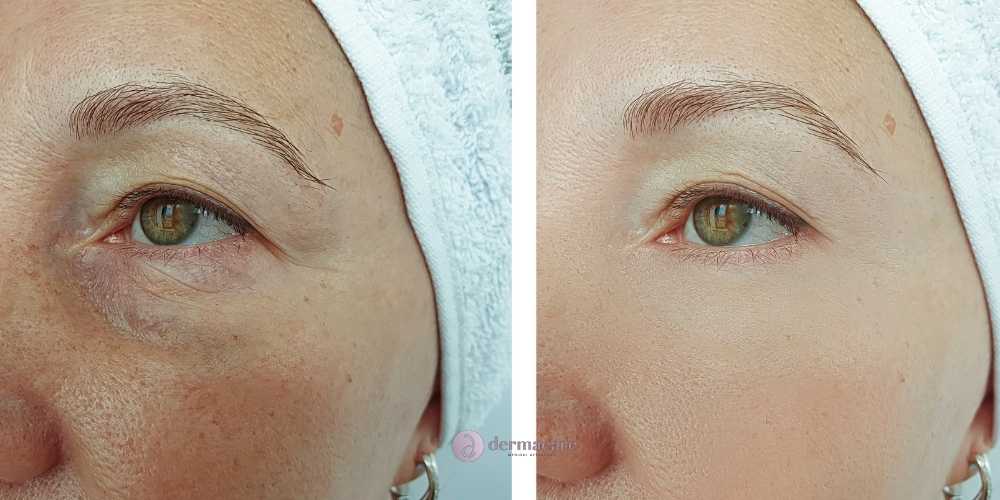
Laser facials use targeted light energy to create a controlled response in the skin, clearing visible discoloration and supporting collagen remodeling over time.
Different lasers do that work in different ways. Non-ablative options warm the dermis without removing the surface, which can refine texture, soften early lines, and improve overall clarity with minimal interruption.
Resurfacing treatments remove a thin layer of damaged surface skin or treat the skin in tiny micro-zones, which encourages faster renewal while leaving surrounding skin intact. Results continue to build as the pigment clears and collagen reorganizes in the weeks that follow.
What Can a Laser Facial Treat?
Laser facials can target texture, discoloration, pores, redness, and scarring, as long as the laser type and intensity match your skin and your goals.
Common concerns a laser facial can treat include:
Laser facial for acne scars: Fractional and resurfacing options can smooth pitted texture by encouraging collagen remodeling.
Laser facial for pores: Laser facials can refine your skin’s texture and improve collagen support, making enlarged pores look less noticeable.
Laser facial for hyperpigmentation: Pigment-focused settings can fade sun-induced discoloration and post-acne marks, especially when combined with consistent sun protection.
Laser facial for fine lines and wrinkles: Collagen remodeling can soften creasing, and resurfacing can improve the look of etched-in lines.
Laser facial for redness or rosacea: Gentler, non-ablative options can help reduce visible flushing and persistent redness with minimal downtime.
Laser facial for sun damage and brown spots: Pigment-targeting lasers and fractional resurfacing can fade discoloration and brighten overall tone as the skin renews.
Types of Laser Facials
“Laser facial” is a category, not a single device. Some of the most popular laser facial options include CO2 resurfacing, fractional laser resurfacing, non-ablative collagen-stimulating lasers, and pico laser rejuvenation. A provider can match the plan to your concern, skin tone, and tolerance for downtime.
Find out more about four of the most common types of laser facials below:
1. CO2 Laser Facial
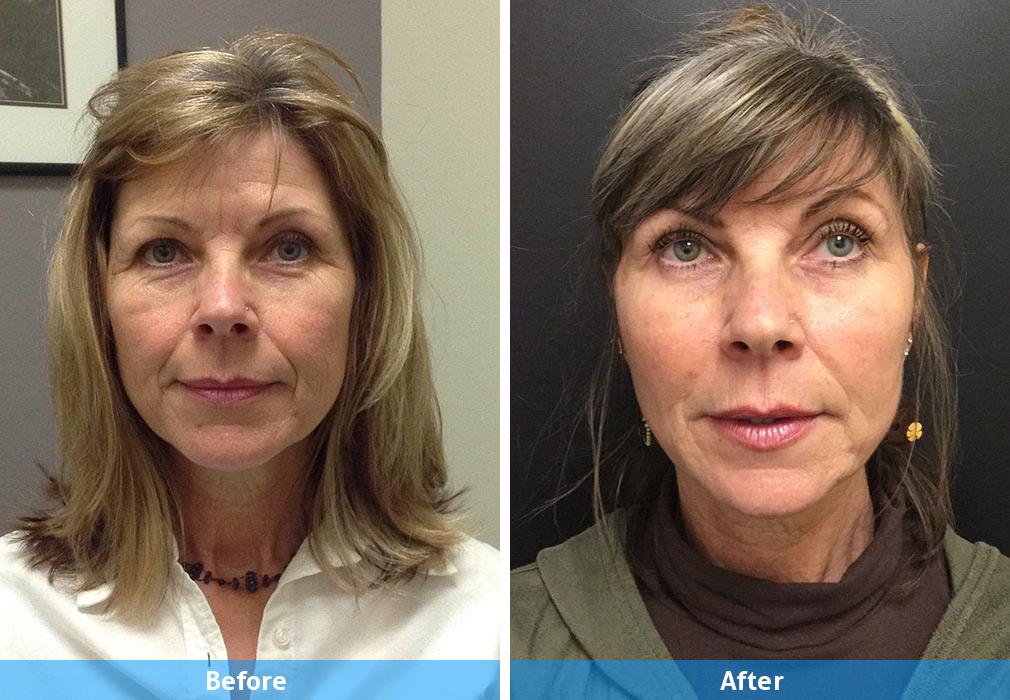
A CO2 laser facial is an ablative resurfacing option, which means it removes a controlled portion of the skin’s surface to reset visible damage and trigger a stronger renewal response.
Most people experience heat and pressure during treatment, and topical numbing agents are commonly used to improve comfort. Afterward, the skin often looks and feels like a stronger sunburn. Swelling is common, and peeling or flaking can follow as the surface renews.
Some clinics also use fractional CO2 platforms (e.g., SmartSkin CO2), which deliver energy in microscopic columns instead of treating every millimeter of skin. This fractional approach can shorten recovery compared with traditional full-field CO2 resurfacing while still delivering noticeable improvements in texture and lines.
Best for:
- Deeper lines and textural roughness
- More noticeable sun damage
- More stubborn scarring, including acne scars
Tradeoffs to know:
- Expect more downtime than other laser facials
- Aftercare matters more, and the early recovery phase is more noticeable
2. Fractional Laser Facial
A fractional laser facial delivers energy in tiny treatment zones, helping your skin recover more quickly while still improving tone and texture.
Some of the most common options in this category include Fraxel®-type fractional lasers and 1540 nm fractional lasers. For example, the Fraxel II re:store is a fractional resurfacing option that can improve uneven tone, texture changes, early lines, and acne scarring. Many patients notice a few days of pinkness, along with a bronzed look and light flaking as the skin renews.
Another popular option is the LUX 1540. This non-ablative fractional treatment delivers concentrated light into deeper layers of skin, where it converts to heat and triggers a collagen-building repair response. Mild redness and swelling can persist for a few days, and a series is often recommended for the best results.
Best for:
- Tone and texture concerns that need more than a “glow” treatment
- Early lines and visible roughness
- Mild to moderate acne scarring
Tradeoffs to know
- Improvements build gradually, and multiple sessions often deliver the best payoff
- You may have a few days of visible redness or a rough, dry feel
3. Non-Ablative Laser Facial
A non-ablative laser facial improves skin by heating deeper layers without removing the surface. Laser Genesis is a popular option for refining pores, supporting collagen production, and reducing the appearance of redness.
Most people describe Laser Genesis as a comfortable warming sensation. Recovery is usually minimal, which makes it a go-to for patients who want visible refinement without stepping away from work or social plans.
Best for:
- Overall texture refinement and a smoother-looking finish
- Visible redness and flushing
- Early fine lines and enlarged pores
Tradeoffs to know
Results are subtle and build over a series, rather than changing everything in one visit
4. Pico Laser Facial
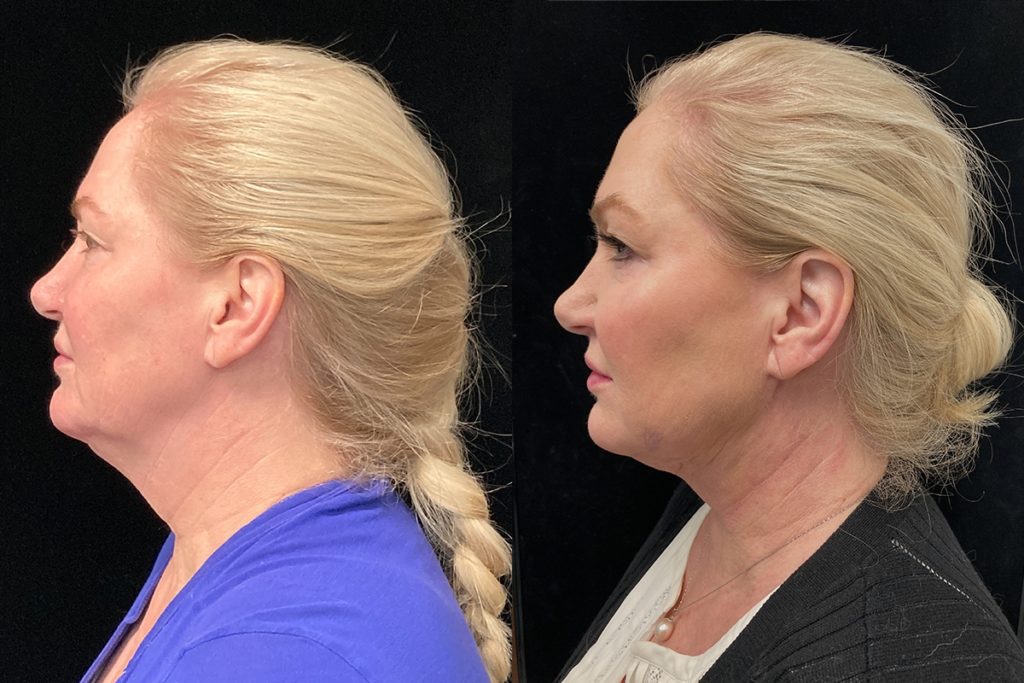
A pico laser facial uses ultra-short pulses of energy that can help break up unwanted pigment while supporting overall rejuvenation. Pico Skin Rejuvenation is often chosen for brown spots, freckles, sun damage, melasma, and uneven tone, and it can also improve texture.
Most people have minimal downtime, with temporary redness or mild swelling that resolves quickly. Pigment clearing and collagen change take time, so results tend to improve over the weeks that follow.
Best for:
- Pigment-focused goals, including sun-related brown spots
- Uneven tone and stubborn discoloration
- Patients who want minimal downtime
Tradeoffs to know
- A series may be recommended for stubborn pigment or scarring
How to Choose Between Laser Facial Options
Choosing the right laser facial treatment usually comes down to two questions: what are you trying to change, and how much recovery fits your schedule?
- Biggest texture change with the most downtime: A CO2 laser facial often delivers the strongest resurfacing for deeper lines and more stubborn texture issues.
- Balanced improvement with moderate downtime: A fractional laser facial can brighten tone and smooth texture with a shorter recovery than CO2.
- Low downtime, buildable refinement: A non-ablative laser facial, such as Laser Genesis, can support collagen production and refine the appearance of redness and pores over time.
- Discoloration-first goals with minimal downtime: A pico laser facial is often a strong option when brown spots and sun damage are the priority.
Skin tone, melasma history, sensitivity, and recent tanning can all change what’s safest. A consultation helps lock in the best match.
What Does a Laser Facial Feel Like?
Most laser facials feel like warmth or quick snaps on the skin, and topical numbing can make more intensive treatments much more comfortable.
Comfort depends on the device and the intensity used. Non-ablative options often feel like gentle heat. Fractional resurfacing can feel sharper in thinner areas of the face, which is why numbing is commonly used. CO2 resurfacing is the most intense of the group, and the skin may feel tender afterward, even with comfort measures.
Laser Facial Downtime, Results, and Aftercare
Downtime ranges from minimal redness with many non-ablative options to peeling and a longer recovery window with CO2 resurfacing. Results also follow a timeline. For example, your skin tone can look brighter as the surface renews, while collagen changes for scars and lines continue to build for weeks to months.
The following aftercare best practices protect your results and support smoother healing:
- Prioritize sun protection: Daily sunscreen and sun avoidance are essential during healing and for long-term pigment control.
- Keep skincare gentle: Skip exfoliants and strong actives until your provider clears you to restart them.
- Support the skin barrier: Moisturize and use only recommended products to reduce irritation while the skin renews.
- Follow individualized guidance: If you’re prone to cold sores or sensitive to other reactions, your provider may recommend additional steps.
Who Is a Good Candidate for Laser Facials?
Laser facials can be a fit for many people who want to improve tone, texture, discoloration, pores, fine lines, wrinkles, redness, or acne scarring, as long as the plan matches their skin type.
A few factors can influence candidacy and laser selection. Skin tone and melanin activity matter, especially when hyperpigmentation is a concern. Recent tanning, active skin infections, and certain medications can also affect timing. Pregnancy and breastfeeding often shift the best next step toward gentler options or a delayed plan.
Your provider will talk through goals, timeline, and safety before recommending a specific device.
Frequently Asked Questions
How many laser facials will I need?
Most people see their best improvement with a series, often three to five sessions, for many non-ablative and fractional options, plus maintenance as needed.
Are laser facials safe for acne scars?
A laser facial for acne scars can improve texture over time. Scar type and skin tone influence which laser is safest and what level of improvement you can expect.
Can a laser facial help pores look smaller?
A laser facial for pores can make pores look less noticeable by refining texture and supporting collagen. Pores don’t truly “close,” but they can look smoother.
Will a laser facial help hyperpigmentation?
A laser facial for hyperpigmentation often works best when treatment choices match your pigment pattern, and you stay consistent with sun protection.
What’s the difference between a fractional laser facial and a non-ablative laser facial?
A fractional laser facial treats the skin in tiny micro-zones, helping renew tone and texture while leaving the surrounding skin intact. A non-ablative laser facial warms deeper layers without removing the surface, so recovery is usually minimal.
Which laser facial is best for redness or rosacea?
A laser facial for redness or a laser facial for rosacea support plan often leans toward gentler, non-ablative options. Your provider will confirm what’s appropriate for your skin.
Schedule a Laser Facial at Dermacare San Diego
If you’re interested in scheduling a laser facial appointment in San Diego and the surrounding areas, Dermacare San Diego is ready to welcome you to one of our offices. Once you discuss your goals at a consultation, one of our providers will help you pinpoint the best laser facial option for your skin and build a plan you can follow with confidence.
Learn more about our laser facial resurfacing and rejuvenation treatments today.