
Table of Contents
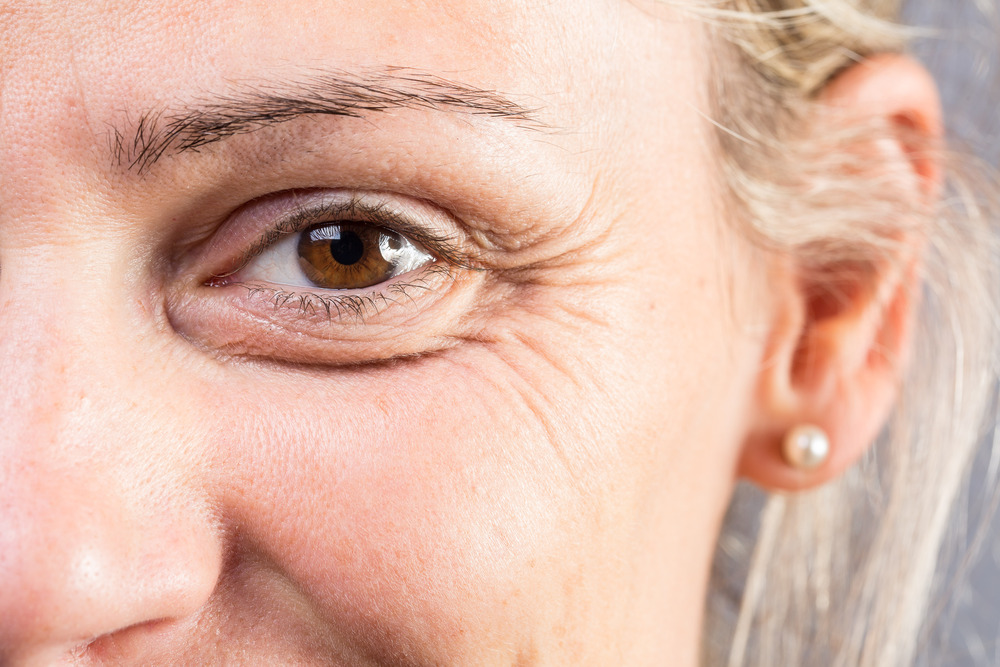
As you age, you’ll start to see more wrinkles around your eyes, which can make you look older and more tired than you actually feel. Fortunately, there are plenty of non-surgical treatments to soften wrinkles around the eyes and improve your face’s overall appearance.
While you look for a way to get rid of wrinkles under your eyes, review our guide to the different types of eye wrinkles and how to treat them.
Key Takeaways
- Under-eye wrinkles fall into three main categories: static wrinkles, dynamic wrinkles, and wrinkle folds, each driven by different changes in skin structure and movement.
- Static wrinkles are linked to collagen, elastin, and moisture loss, while dynamic wrinkles form from repeated facial expressions that eventually etch lines into the skin at rest.
- Wrinkle folds are deeper grooves caused by volume loss and structural changes under the eyes, often needing treatments like dermal fillers rather than surface-only options.
- The most effective plans match treatments to wrinkle type, combining neuromodulators, lasers, microneedling, chemical peels, fillers, and topicals based on whether lines are dynamic, static, or volume-related.
- Daily habits, including consistent hydration, moisturization with ingredients like hyaluronic acid, and diligent sunscreen use, help prevent under-eye wrinkles from worsening and support long-term results.
What Causes Under-Eye Wrinkles? The 3 Types of Wrinkles Around the Eyes and Their Causes
When you’re looking for wrinkle treatments, it can help to know the different types of wrinkles and their causes. With a better understanding of the different types of wrinkles, it’s far more likely you’ll pick the right treatment for your needs.
Learn more about the different types of under-eye wrinkles and what causes them below:
1. Static Wrinkles
Static wrinkles are the fine lines and creases you can see even when your face is relaxed and you are not making any expressions.
Around the eyes, these often show up as etched lines under the lower lids or deeper crow’s feet that stay visible all the time. They develop as the skin gradually loses collagen, elastin, and moisture, which makes it thinner, less elastic, and more likely to crease.
Several factors contribute to static wrinkles around the eyes. Natural aging and genetics play a big role, but long-term sun exposure, smoking, and environmental stressors like pollution can speed up the breakdown of collagen and elastin.
Over time, repeated facial movements can also “set” expression lines into permanent static wrinkles. These repetitive facial movements are why early crow’s feet from squinting or smiling may eventually be visible even at rest.
2. Dynamic Wrinkles
Dynamic wrinkles are lines that appear when the muscles in your face move, such as when you smile, laugh, squint, or frown.
These wrinkles show up most clearly as crow’s feet at the outer corners and fine lines under the eyes that fan out whenever you express emotion. In younger skin, these lines usually disappear once your face relaxes because the skin is still elastic enough to bounce back.
Dynamic wrinkles form because the same facial muscles contract over and over in the same patterns. Every time you smile or squint, the skin around your eyes folds in predictable places.
As the skin naturally thins and loses elasticity with age, those temporary expression lines can deepen and start to linger longer. Eventually, they’ll turn into static wrinkles that remain visible even when your face is at rest.
3. Wrinkle Folds
Wrinkle folds are deeper lines or grooves that form where the skin naturally folds over areas of structural change, such as volume loss or sagging tissue.
Rather than looking like faint surface lines, deep wrinkles under the eyes appear as more pronounced creases or hollows. Under the eyes, wrinkle folds can show up as under-eye bags, tear troughs, or a noticeable groove where the lower eyelid meets the upper cheek.
These folds are closely linked to changes in the deeper layers of the face. As you age, you gradually lose fat, collagen, and even bone support around the eyes and cheeks. This loss of volume causes the skin to drape differently, making natural folds deeper and more visible.
Gravity, sun damage, and lifestyle factors like smoking or significant weight changes can all make wrinkle folds around the eyes more noticeable over time as well.
How to Get Rid of Under-Eye Wrinkles: The 7 Best Treatments for Under-Eye Wrinkles
1. Injectables
Neuromodulator injectables, such as Botox and similar products, are often used around the eyes to relax the tiny muscles that create crow’s feet and other expression lines.
By temporarily blocking the nerve signals that tell these muscles to contract, the overlying skin looks smoother and more relaxed. After receiving Botox for under-eye wrinkles, most people begin to see results within a few days, with the full effect appearing in about two weeks. Usually, results last around three to four months for crow’s feet in many patients.
What Type of Wrinkles Are Injectables Good For?
Injectables are typically best suited for dynamic wrinkles that show up when you smile, squint, or laugh, especially at the outer corners of the eyes. They are less effective for deeper wrinkle folds caused by volume loss or for very crepey skin under the eyes, which often need additional or different types of treatment.
Who Are Injectables Good For?
People looking for a quick, non-surgical option to soften expression lines and prevent them from becoming deeper static wrinkles are often good candidates.
2. Laser Treatments
Laser resurfacing treatments use focused light energy to remove or heat targeted layers of skin. Ablative and fractional lasers, such as CO₂ or Er:YAG devices, can help smooth static wrinkles by removing damaged outer skin and stimulating new collagen production in the deeper layers.
Results from lasers for under-eye wrinkles tend to appear gradually over several weeks to months as new collagen forms. With good skin care and sun protection, improvements can often last for several years.
What Type of Wrinkles Are Laser Treatments Good For?
Laser treatments are usually best for static wrinkles, crepey texture, and mild skin laxity around the eyes rather than for deeper folds from volume loss. They can be a strong option for patients who have etched-in lines under the eyes or around the outer corners and who are comfortable with some downtime for healing.
Who Is a Good Candidate for Under-Eye Laser Treatments?
Because the eye area is delicate, these procedures should only be performed by experienced medical providers using appropriate eye protection.
3. Microneedling
Microneedling, sometimes called collagen induction therapy, uses very fine needles to create controlled micro-injuries in the skin. This process triggers a healing response that leads to new collagen and elastin formation, which can thicken thin under-eye skin and soften fine lines over time.
Improvement is gradual and often builds over a series of sessions spaced several weeks apart.
What Type of Wrinkles Is Microneedling Good For?
Microneedling tends to work best for early static wrinkles, fine lines, and a crepey or uneven texture under the eyes. It can also help certain types of mild under-eye hollowing or darkness by improving skin quality, but it does not replace volume-focused treatments for more pronounced folds.
Who Is a Good Candidate for Under-Eye Microneedling?
Microneedling is often chosen by patients who want collagen-stimulating benefits with relatively short downtime compared to more aggressive resurfacing.
4. Chemical Peels
Chemical peels use carefully selected acid solutions to exfoliate the outer layers of skin and promote new, smoother skin growth. Around the eyes, providers typically use lighter or superficial peels, such as low- to medium-strength glycolic, lactic, or trichloroacetic acid (TCA), to reduce fine lines, mild wrinkles, and uneven pigment.
Results build as the treated skin peels and heals, revealing a smoother, more even surface.
What Type of Wrinkles Are Chemical Peels Good For?
Superficial chemical peels are usually best for fine static wrinkles, mild sun damage, and discoloration around the eyes rather than deep folds.
Who Is a Good Candidate for Under-Eye Chemical Peels?
They can be a good option for patients who want a gentle resurfacing treatment and are willing to follow strict aftercare instructions, including sun protection. Stronger peels in the eye area are reserved for carefully selected patients and should always be performed by a trained medical professional.
5. Dermal Fillers
Dermal fillers, such as hyaluronic acid gels, add volume beneath the skin to smooth out hollows and certain types of wrinkles. In the under-eye area, fillers are often used in the tear trough region to reduce a sunken appearance and soften shadows, which can make wrinkles and fine lines look less prominent.
Depending on the specific product and how your body metabolizes it, results can last anywhere from several months to over a year. Keep in mind that improper placement can lead to lumps or discoloration, meaning that tear trough filler should only be performed by an experienced injector.
What Type of Wrinkles Are Dermal Fillers Good For?
Fillers are generally best for wrinkle folds and hollows caused by volume loss rather than for fine surface lines or dynamic wrinkles.
Who Is a Good Candidate for Dermal Fillers?
Dermal fillers are sometimes recommended for people with a noticeable groove where the lower eyelid meets the cheek. They’re also often used to help people who see deeper under-eye lines because the tissue has thinned over time.
6. Topicals
Topical treatments, including prescription and over-the-counter eye creams, can support the skin around the eyes and improve the look of fine wrinkles over time. Ingredients such as retinoids (like tretinoin or retinaldehyde), peptides, antioxidants, and hydrating agents can boost collagen production, encourage cell turnover, and keep the skin better moisturized.
Clinical studies have shown that retinoid-based eye creams can visibly reduce fine lines around the eyes after several months of consistent use.
What Type of Wrinkles Are Topicals Good For?
Topicals are usually best for early or mild static wrinkles and as a maintenance step alongside in-office procedures. They can help smooth and brighten the under-eye area and may slow the progression of deeper lines, but they typically cannot correct pronounced folds or significant skin looseness on their own.
Who Is a Candidate for Topicals?
Patients who are not ready for procedures or who want to maintain their results between treatments can benefit from a customized eye-area skincare routine.
7. Maintaining a Skin Hydration and Moisturization Routine
Daily habits play a major role in how under-eye wrinkles form and progress. Staying well hydrated, using a quality moisturizer or eye cream, and avoiding irritants that dry or inflame the skin can all help the under-eye area look smoother and more supple.
Hydrating ingredients such as hyaluronic acid, glycerin, and ceramides plump the outer skin layers so fine lines are less noticeable, although the effect is temporary and depends on regular use.
Consistent sun protection is equally important. A broad-spectrum sunscreen with at least SPF 30, applied every morning and reapplied as needed, helps shield the thin under-eye skin from UV damage that accelerates wrinkling and pigment changes.
Who Can Benefit From A Hydration and Moisturization Routine?
These routine steps are helpful for every wrinkle type because they protect the skin’s structure and prevent existing lines from worsening, even though they cannot reverse deeper static wrinkles or folds on their own.
Receive Under-Eye Wrinkle Treatment in San Diego at Dermacare
If you’re looking for under-eye wrinkle treatments in San Diego, Dermacare can help. At our med spas, we offer a variety of minimally invasive treatments designed to treat under-eye wrinkles and deliver results for a long time. After you consult with a member of our team, we can perform Botox, chemical peels, dermal fillers, microneedling, and laser treatments.
Learn more about our many under-eye wrinkle treatments today. If you have any questions or want to schedule an appointment, please contact us.