Key Takeaways
- Skin discoloration refers to uneven changes in your natural skin tone. It shows up as darkened patches, persistent redness, or lighter areas. This is typically caused by melanin production, which is triggered by sun exposure, inflammation, hormonal shifts, or underlying skin conditions.
- Where discoloration appears matters. Pigment on the face, neck, and hands tends to have different root causes than discoloration on the legs, back, or abdomen. Location also affects how well treatments work, since skin thickness and pigment depth vary by area.
- Chemical peels, lasers, microneedling, and resurfacing procedures can target pigment at a level that topical products generally cannot. For persistent or deep-set discoloration, professional treatment often produces more reliable results than at-home routines.
- Black and brown skin is more susceptible to post-inflammatory hyperpigmentation (PIH). That means procedure selection matters more, since the wrong treatment can deepen rather than reduce pigmentation.
- Many discoloration issues are treatable or significantly improvable. Mild cases may fade on their own over time. Deeper pigment and chronic conditions usually require professional intervention. Results depend on the cause, the depth of pigmentation, and the treatment approach chosen.
Table of Contents
How to Get Rid of Skin Discoloration: Causes & Top Treatment Solutions
Skin discoloration can show up as dark spots, patchy tone, redness, or lingering acne marks. Before figuring out how to get rid of skin discoloration, it’s important to first identify why it happened. Finding the cause often determines which treatment will work best.
What Is Skin Discoloration?
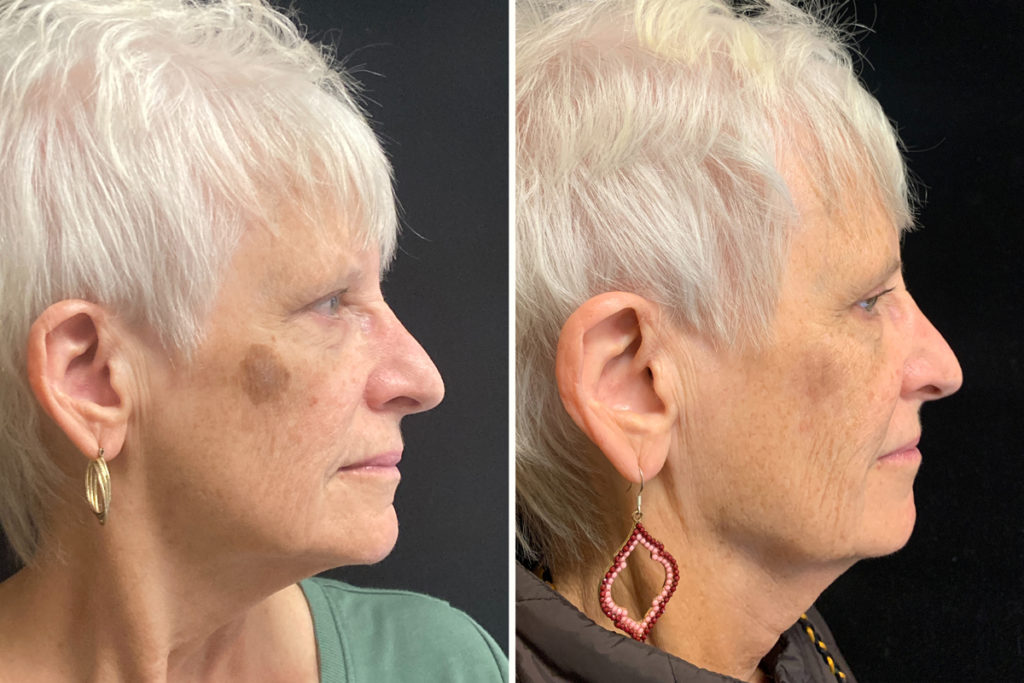
Skin discoloration is any area of skin that looks darker, lighter, or uneven compared to your natural skin tone. Most cases involve hyperpigmentation, where the skin produces extra melanin after inflammation, sun exposure, or hormonal shifts.
It often appears as:
- Brown sun spots
- Gray-brown melasma patches
- Red or purple post-acne marks
- Uneven patches after general irritation
The depth of pigment matters. Surface-level pigment in the epidermis usually responds faster to topical care, while deeper dermal pigment can take months and often needs professional skin discoloration treatment for visible improvement.
What Causes Skin Discoloration?
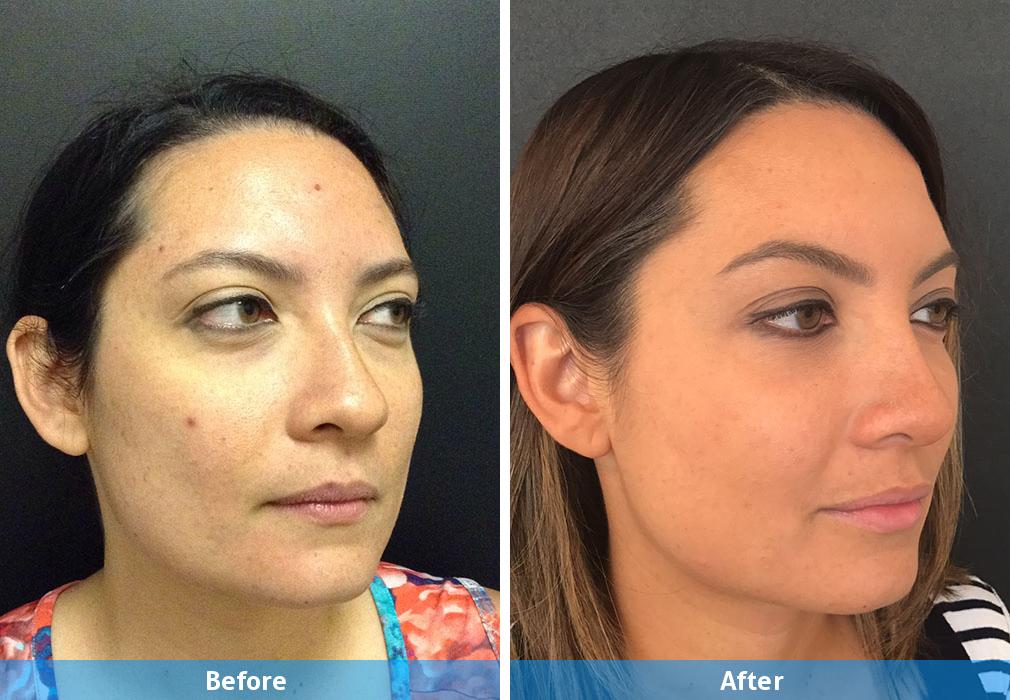
Sun damage is one of the biggest triggers. UV exposure increases melanin production, but sunlight is not the only factor. Visible light, particularly high-energy visible light, has also been shown to worsen pigmentation and can make conditions like melasma more persistent. This is especially true for medium to dark skin tones.
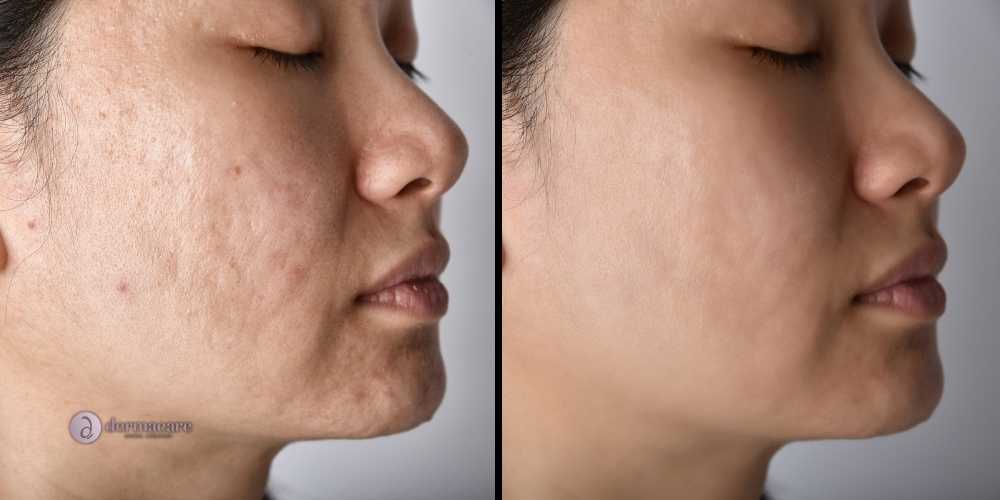
Post-inflammatory hyperpigmentation, often called PIH, is another major cause. Acne, bug bites, eczema flares, and picking at the skin can all leave behind stubborn marks long after the original irritation is gone.
Hormonal shifts can trigger the chronic skin pigmentation condition melasma. Most commonly on the cheeks, forehead, bridge of the nose, and upper lip, it is especially common during pregnancy or while taking hormonal birth control.
Some medical conditions can also affect pigmentation:
- Fungal infections can create lighter or darker patches
- Eczema can leave lingering dark marks after inflammation
- Diabetes or insulin resistance may darken the neck or body folds
Skin Discoloration On Different Body Parts: Does Location Matter?
Yes. Where hyperpigmentation appears provides clues about the root cause and helps guide how to fix skin discoloration more effectively.
Facial skin discoloration is often tied to UV exposure, hormones, or acne, while discoloration on legs may point to inflammation or circulation-related issues.
Neck skin discoloration can sometimes signal friction or metabolic changes, and discoloration on the hands or arms is frequently linked to cumulative sun damage. Skin discoloration on the back often follows acne breakouts, while irritation, friction, or fungal conditions may be tied to stomach or abdomen discoloration.
| Area | Top Causes | Top Skin Treatments |
|---|---|---|
| Face | Sun damage, melasma, acne marks | Chemical peels, IPL photofacial, PICO laser |
| Legs | PIH, eczema, circulation issues | Chemical peels, topical retinoids |
| Neck | Hormones, friction, insulin resistance | Brightening topicals, laser resurfacing |
| Arms | Sun exposure, aging | IPL, Laser Genesis |
| Hands | Age spots, UV damage | IPL, PICO spot treatment |
| Back | Acne-related PIH, fungal issues | Chemical peels, microneedling |
| Abdomen | Friction, inflammation, fungal conditions | Topicals, exfoliation treatments |
Location also matters due to skin thickness. Thinner-skinned areas like the face have a faster natural cell turnover rate, which often means treatments respond more quickly.
Trying to remove skin discoloration on thicker areas like the back and legs can be harder, potentially calling for a more deeply penetrating treatment option.
Professional Treatments to Fix Skin Discoloration
Removing skin discoloration with professional treatments often work faster (and better) because they target pigment below the surface.
Some clinical studies show that certain pigment lasers can safely and effectively remove hyperpigmentation lesions in 1 to 2 treatments, and deeper, dermal lesions could be fixed in 3 to 5 laser sessions. Topical-only routines often take 8 to 16 weeks or longer.
Chemical Peels
Chemical peel exfoliation removes pigmented surface cells and speeds turnover. For mild sun spots or acne marks, professional peels can improve tone faster than over-the-counter acids.
Laser Procedures
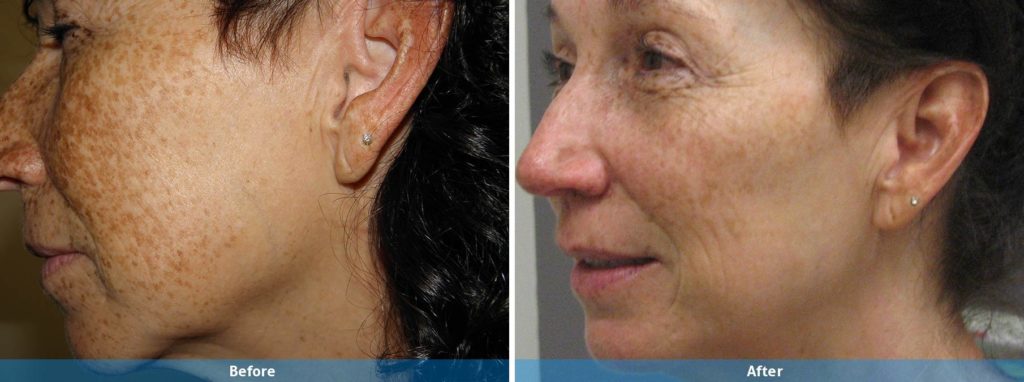
Laser-based skin discoloration treatments can target specific pigments with advanced precision, providing solutions for several types of hyperpigmentation.
- IPL FotoFacial works well for sun spots and redness
- Pico Skin Rejuvenation is effective for stubborn pigment and deeper discoloration
- Fraxel® II resurfacing helps blend uneven tone and texture
- Laser Genesis supports tone correction with minimal downtime
- SmartSkin CO2 rejuvenation treats more advanced discoloration and texture concerns
Microneedling
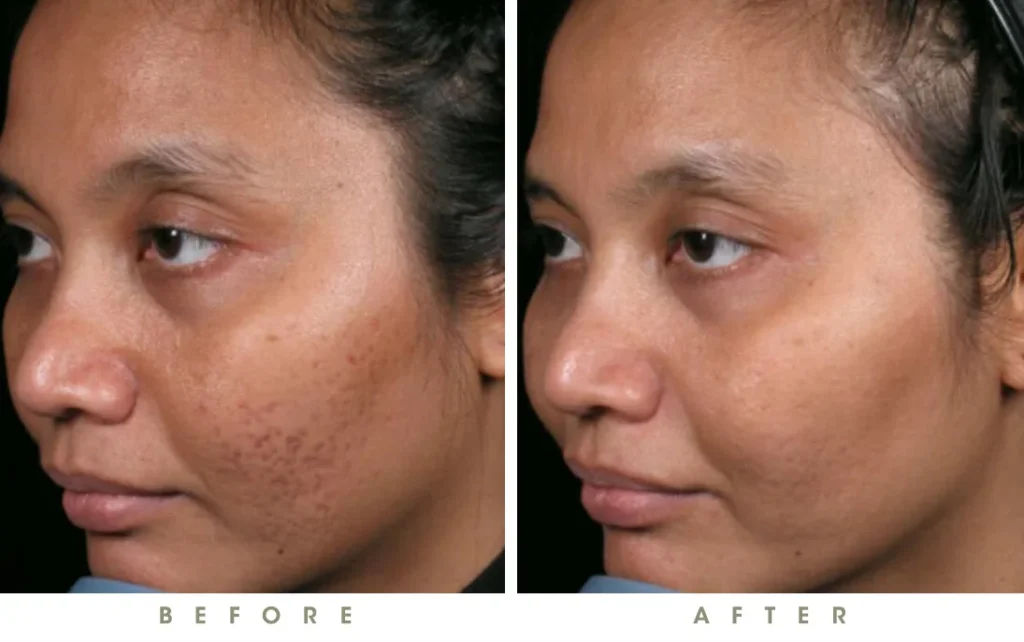
Microneedling creates controlled micro-injuries in the skin to stimulate collagen production and speed cellular turnover, which can help break up pigment left behind by acne or inflammation.
Clinical studies have shown microneedling can improve PIH and overall skin texture over a series of several treatments, especially when paired with targeted topical serums.
Dermabrasion
Dermabrasion is a deeper resurfacing procedure that fixes discoloration by eliminating the outer layers of damaged skin. This is most useful for pronounced surface pigmentation and textural irregularities.
Because it reaches further into the skin than lighter exfoliation procedures, recovery is longer, but results are typically more noticeable for stubborn hyperpigmentation.
Microdermabrasion
Microdermabrasion treatments are lighter and more superficial than dermabrasion. It exfoliates the outermost layer with minimal downtime, making it a top option for mild discoloration and touch-up maintenance.
Topical Treatments You Can Try at Home
At-home remedies can help, but they work best on newer or shallower discoloration. Remember to be safe when trying at-home options, and always talk to a medical professional if you have questions or experience irritation.
Common active ingredients people use are:
- Hydroquinone: one of the most studied ingredients for fading dark spots
- Retinoids: increase cell turnover and help break up pigment
- Azelaic acid: effective for acne-related discoloration and melasma
- Glycolic acid: exfoliates surface pigment
- Kojic acid: slows pigment production
- Vitamin C: brightens and helps defend against oxidative damage
- Niacinamide: supports tone correction and barrier repair
Skin Discoloration on Darker Skin Tones
Black and brown skin tends to develop PIH more easily because the melanin-producing cells are more reactive. When the skin experiences irritation from acne, eczema, or harsh products, those cells can overrespond and leave behind dark spots. In darker skin tones, those spots can also stick around longer and look more pronounced because the color contrast is higher. Catching discoloration early and keeping inflammation in check makes a real difference in how well treatment works.
Darker skin discoloration treatments also require a more customized, experienced approach. Aggressive lasers, deep peels, or incorrect energy settings on skincare tools can trigger additional pigmentation instead of improving it.
Safer options for darker skin tones often include:
- Carefully selected chemical peels
- Lower-energy laser settings
- Specific treatments like microneedling that support skin renewal and reduce the risk of pigment rebound
FAQs
What is the fastest way to get rid of skin discoloration?
Professional treatments like chemical peels and pigment lasers often work the quickest because they target deeper pigment and speed skin turnover.
Can discoloration be reversed?
Yes, many types can be fully fixed or experience significant fading. But results depend on the cause, treatment, and how deep the pigment sits.
How can I get my skin color back to normal?
The best way to restore even tone is to identify the trigger first, and then match it with the right active ingredient or professional skin discoloration treatment.
Will skin discoloration go away on its own?
It depends. Some mild PIH fades over time, but sun spots, melasma, and deeper pigment issues often do not self resolve without treatment.
Take the Next Step Toward Clearer, More Even Skin
Ready to turn the page on skin discoloration? At Dermacare, personalized treatments can help fade the past and bring clearer, brighter skin back into focus. Contact us today so we can help you find the right treatment for your body.