
If you want to smooth out lines and wrinkles, reduce signs of aging, or restore volume in your face, dermal fillers are some of the best treatments you can receive. With the right dermal filler, you can receive long-lasting results that look natural in your lips, cheeks, jawline, and tear trough.
Since the filler’s location and type can affect its duration, review our guide to how long fillers last and what can affect their longevity.
Table of Contents
How Long Fillers Last Based on Their Treatment Area
How long filler lasts depends on where the filler is placed and how much that area moves. High-motion zones (like the lips) metabolize product faster than low-motion areas (like the cheeks). Technique, dose, and your metabolism also matter—but as a rule, expect cheeks to outlast lips, with jawline and under-eye in between.
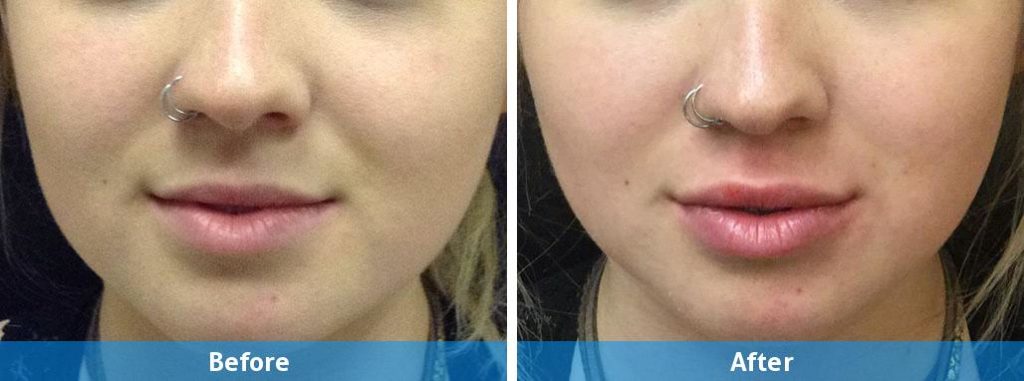
How Long Does Lip Filler Last?
| Filler Type | Typical Longevity | Notes |
|---|---|---|
| HA (Hyaluronic Acid) | 6–12 months | Commonly used in lips |
| CaHA (Calcium Hydroxylapatite) | ~12–18 months | Not FDA-approved for lips (off-label) |
| PLLA (Poly-L-lactic Acid) | ~2–3 years | Off-label in lips; usually requires multiple treatments |
| PMMA (Polymethylmethacrylate) | 5 years or longer | Semi-permanent; discuss risks and reversibility |
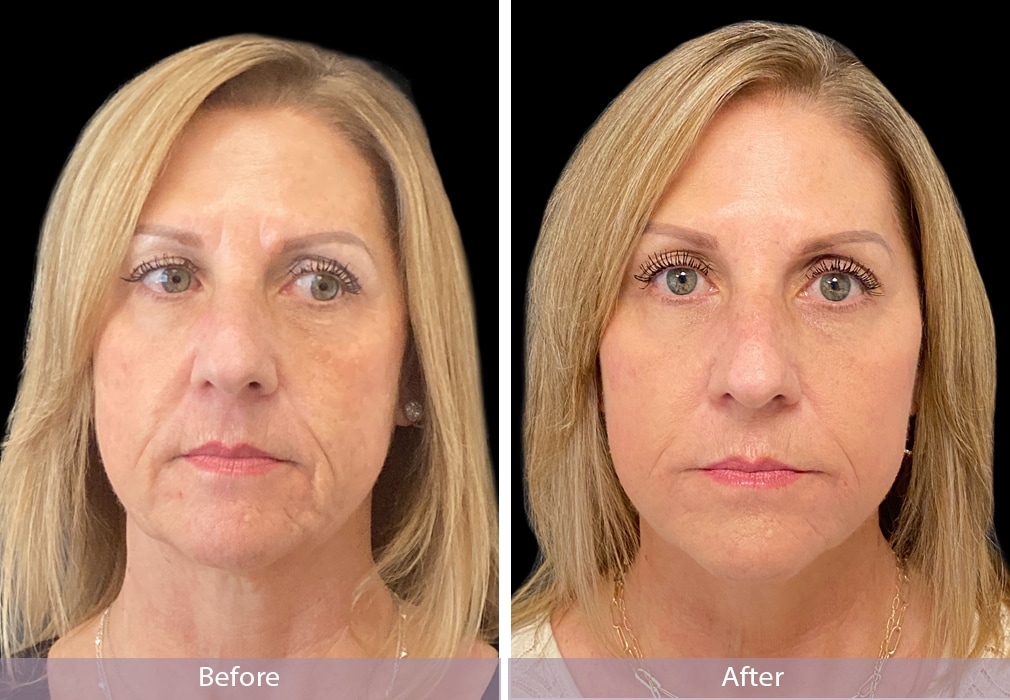
How Long Does Cheek Filler Last?
| Filler Type | Typical Longevity | Notes |
|---|---|---|
| HA (Hyaluronic Acid) | 12–18 months | Common choice for cheeks |
| CaHA (Calcium Hydroxylapatite) | 18–24 months | Biostimulatory filler |
| PLLA (Poly-L-lactic Acid) | 2+ years | Usually requires a series of sessions |
| PMMA (Polymethylmethacrylate) | 5 years or longer | Long-lasting; discuss risks and reversibility |
How Long Does Jawline Filler Last?
| Filler Type | Typical Longevity | Notes |
|---|---|---|
| HA (Hyaluronic Acid) | 6–12 months | Versatile; reversible |
| CaHA (Calcium Hydroxylapatite) | ~12 months | Adds structure |
| PLLA (Poly-L-lactic Acid) | ~2 years | Stimulates collagen; usually a series |
| PMMA (Polymethylmethacrylate) | 5 years or longer | Long-lasting; discuss risks and reversibility |
How Long Do Underdeye/Tear Trough Fillers Last?
| Filler Type | Typical Longevity | Notes |
|---|---|---|
| HA (Hyaluronic Acid) | 6–12 months | Common under-eye option; reversible |
| CaHA (Calcium Hydroxylapatite) | 12–18 months | Used selectively/off-label in this area |
| PLLA (Poly-L-lactic Acid) | ~2 years | Collagen-stimulating; typically a series |
| PMMA (Polymethylmethacrylate) | 5 years or longer | Long-lasting; discuss risks and reversibility |
How Long Does Each Type of Filler Last?
If you’re new to fillers and aren’t sure if you want to make a long commitment, hyaluronic acid (HA) fillers tend to be a good choice, as they last anywhere from 6 to 18 months. Calcium hydroxyapatite (CaHA) fillers typically last from 12 to 18 months, making them another shorter-lasting option.
For longer-lasting results, poly-L-lactic acid (PLLA) fillers last up to two years, while polymethyl methacrylate (PMMA) fillers can last five years or longer.
Factors That Affect Filler Longevity
In addition to the filler’s location, a variety of other factors can impact its longevity. Review the following primary factors that impact how long fillers last:
- Location: As we discussed previously, a filler is more likely to last longer in areas where there are minimal muscle movements. Areas with more frequent muscle movement will cause the filler to break down and be absorbed faster.
- Type of filler: Different brands and types of filters will affect their longevity. For example, HA fillers last for a shorter time than PLLA fillers.
- Personal metabolism: A naturally faster metabolic rate can clear injectables sooner, leading to shorter-lasting results.
- Age: Younger individuals often process fillers more quickly, while more mature skin can sometimes hold results longer.
- Exercise intensity: Frequent, high-intensity workouts can boost circulation and metabolism, which may reduce longevity.
- Sun exposure: UV radiation accelerates breakdown and compromises surrounding skin, shortening the life of your results.
- Smoking: Nicotine use diminishes collagen quality and microcirculation, which can make fillers dissipate faster.
- Hydration: Well-hydrated skin supports the water-binding nature of HA fillers, helping results look better for longer.
- Skincare habits: Consistent SPF and a supportive routine help preserve skin health, which supports longer-lasting outcomes.
- Maintenance visits: Timely touch-ups can refresh volume and extend the overall duration of your results.
Frequently Asked Questions About Filler
Have more questions about dermal fillers? Review our answers to the most frequently asked questions about filler below:
How Long Does Swelling From Filler Last?
Most swelling from fillers typically peaks around 24 to 48 hours, with the majority of swelling subsiding within three to five days. However, a small number of patients may experience swelling for weeks to months following treatment.
How Long Does Filler Last the First Time?
In general, HA filler tends to last around 4 to 9 months the first time, while it usually lasts 9 to 12 months in other areas after its first time.
Calcium hydroxyapatite undereye filler tends to last around 12 months the first time.
Poly-L-lactic acid fillers and PMMA fillers tend to last just as long the first time as they do after repeated treatments.
How Long Do HA fillers Last?
HA fillers usually last between 6 and 18 months.
Do Fillers Ever Fully Go Away?
Yes, most dermal fillers will fully dissolve in your body. However, a medical professional will need to remove semi-permanent fillers like PMMAs, as they don’t dissolve.
Can Filler Be Dissolved?
Yes, HA fillers, calcium hydroxyapatite fillers, and poly-L-lactic acid all dissolve over time.
Which Lasts Longer, Filler or Botox?
In general, you can expect dermal fillers to last longer than Botox. While Botox usually lasts 3 to 4 months, most dermal fillers last anywhere from 6 to 18 months.
How to Make Fillers Last Longer
Fillers can last longer when you stay hydrated, avoid UV exposure, lower your stress, avoid processed food or those that cause inflammation, and stick to a skin care routine that includes moisturizers and products that promote collagen production.
Find Your Perfect Filler at Dermacare in San Diego
If you’d like to receive dermal fillers in San Diego, Dermacare is ready to welcome you to our premier med spa. With a wide variety of FDA-approved HA, CaHA, PLLA, and PMMA fillers, we can help you find the right injectable for your needs and treatment area. Whatever you choose, our expert team will make you as comfortable as possible while performing any of our treatments.
Learn more about our dermal filler treatments today. If you’re ready to schedule an appointment, review our locations to find a med spa closest to you.