
Key Takeaways
- Hair loss in women is often caused by a mix of genetics, hormonal shifts, stress-related shedding, and nutritional deficiencies, so finding the cause is key before choosing a treatment path.
- At-home hair restoration options like minoxidil, spironolactone, and hair loss supplements can support regrowth when the right cause is being treated. Results typically require consistent or permanent use and sometimes work best when paired with professional medspa services.
- Professional hair loss treatments like microneedling with PRP, FoLix laser therapy, and red light therapy focus on directly stimulating scalp and follicle activity in various ways, with noticeable improvements typically developing gradually over 3–6 months or longer.
- The most effective hair loss treatment approach is often a combination strategy that supports both a woman’s internal health and external follicle stimulation.
Hair loss in women is more common than many people realize, and the first step in stopping it is to identify the cause. While some daily shedding is a normal part of the hair growth cycle, noticeable thinning, increased shedding, or a widening part may indicate something is affecting the health of your hair follicles.
Dermacare’s Dr. Birchall believes that successful treatment starts with understanding why hair loss is occurring in the first place. Because women’s hair loss can develop for several different reasons, the most effective treatment plan is one that addresses both the underlying cause and the condition of the scalp.
Why Am I Losing Hair? Common Causes of Hair Loss in Women
In many cases, more than one factor contributes to thinning hair. Here are the most common ones.
Genetics and Hormonal Changes
One of the most common causes of hair loss in women is androgenetic alopecia, often called female pattern hair loss. This hereditary condition gradually affects the hair follicles, causing strands to become finer over time.
Hormonal changes may also contribute to thinning hair, including:
- Menopause: Declining estrogen levels can shorten the hair growth phase and reduce density.
- Thyroid imbalances: Both underactive and overactive thyroid conditions may affect normal hair growth. Asking your doctor to consider a thyroid bloodwork panel can quickly determine if this could be causing your hair loss.
- Hormonal fluctuations: Changes across different life stages can affect how actively follicles produce hair.
Stress, Illness, and Major Life Events
Telogen effluvium is a temporary form of shedding that occurs when more hairs than usual enter the resting phase of the natural growth cycle.
Potential triggers include:
- Physical stress: Stress from major surgery, illness, or significant periods of physical recovery may temporarily disrupt new hair growth.
- Emotional stress: Prolonged periods of significant mental stress or chronically stressful environments can contribute to increased hair shedding.
- Major life changes: Childbirth, being postpartum, rapid weight loss, or other significant events that alter your life can affect the normal hair growth cycle.
Although this type of hair loss often improves over time, some women seek treatment when shedding continues longer than expected.
Nutritional and Lifestyle Factors
Hair follicles need a steady supply of nutrients to stay active. Common nutritional contributors to hair loss include:
- Low iron levels: Iron (and ferritin, the protein that stores iron in the body) plays an important role in delivering oxygen to tissues throughout the body, including hair follicles.
- Insufficient protein intake: Hair is made primarily of keratin, a protein. Not eating enough protein can directly slow growth and reduce hair strength.
- Vitamin deficiencies: Low levels of vitamin D, B vitamins, or zinc can impair follicle function and hair quality.
Working with your doctor to identify if these factors are contributing to hair loss is an important step in creating a more personalized, longer-lasting treatment strategy.

At-Home Hair Loss Options
Once the cause of hair loss has been identified, treatment can be tailored to the individual’s needs. Some women benefit from at-home solutions while others benefit from professional treatments.
Topical Minoxidil
Minoxidil is the most widely used OTC hair loss treatment for women and the only one currently FDA-approved for female hair loss. It has been widely researched and is a safe option for people wanting to improve density and reduce shedding.
Top benefits of applying minoxidil liquid directly to the scalp include:
- Supporting a longer growth phase within the hair cycle.
- Helping improve hair density over time.
- Offering a non-invasive option that can be used at home.
Consistent use is important for results, and visible improvement often takes several months.
Spironolactone for Hair Loss
For women whose hair loss is caused by hormones, spironolactone is a commonly used oral prescription treatment. Often used to treat androgenetic alopecia, spironolactone may help slow ongoing thinning and support healthier hair growth over time.
Potential benefits include:
- Addressing hormonal contributors: May help reduce hair follicle sensitivity to androgens.
- Supporting long-term hair retention: Often used to help slow progression of female pattern baldness.
- Works with other treatments: Frequently combined with therapies like topical minoxidil for more comprehensive treatment.
Like minoxidil, results typically develop gradually over several months.
Hair Loss Supplements for Women
Hair loss supplements can be helpful for women whose hair thinning or shedding is tied to nutritional or vitamin deficiencies. They aim to support healthy hair growth by providing nutrients that play an important role in both follicle function and hair production.
Depending on the individual’s needs, these supplements often contain:
- Biotin: Commonly included in hair health formulas because of its role in keratin production.
- Iron: Helps red blood cells carry more oxygen throughout the body, including to hair follicles.
- Vitamin D: Supports normal hair follicle function and healthy growth cycles. Hair follicles contain vitamin D receptors that may help regulate follicle development.
- Zinc and other micronutrients: Help support normal follicle function and overall hair health.
While beneficial, supplements usually produce the best results when they treat an identified nutritional deficiency or as part of a broader treatment strategy.
For many people, improving scalp health and follicle activity through professional treatments can provide additional support beyond vitamins alone.
Professional Female Hair Loss Treatments
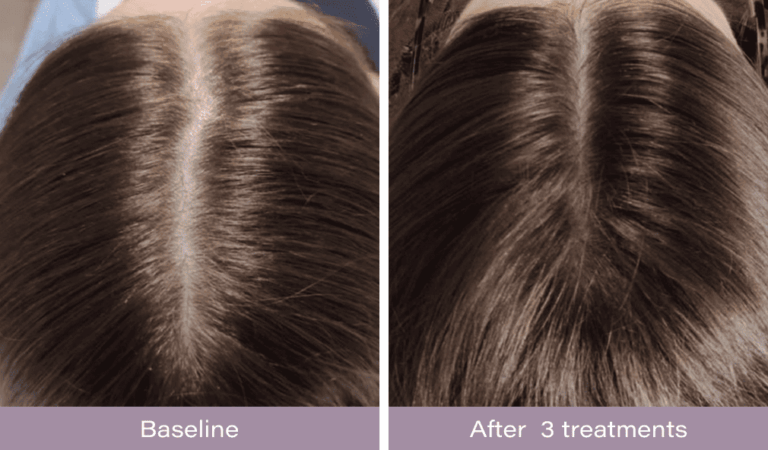
Microneedling with PRP
Among professional treatment options, PRP for hair loss continues to gain attention because it addresses scalp health in a different way than topical products alone.
PRP is often used in combination with microneedling for hair rejuvenation. While they are different treatments that each serve their own purpose, they are often provided together for a fuller hair restoration strategy.
Microneedling with PRP combines two complementary therapies:
- Microneedling: Creates controlled microchannels underneath the skin within the scalp using tiny needles to stimulate the body’s natural collagen repair and production processes.
- Platelet-rich plasma (PRP): Uses growth factors derived from the person’s own blood to support a healthier environment for hair follicles to grow back.
Together, these two treatments support healthier scalp rejuvenation and follicle activity. Many women explore this option after reaching a plateau with at-home therapies.
Most people notice improvements in shedding and hair quality within the first 3 months, with thicker hair density typically developing around the 3 to 6 month mark.
Non-Surgical FoLix Laser Treatments
FoLix is the first FDA-cleared system specifically designed as a non-surgical hair loss treatment for women.
FoLix works directly at the scalp level by using advanced low-level laser technology to stimulate cellular activity within the scalp and encourage a healthier environment for hair follicles to grow.
Many women are drawn to FoLix because it is:
- Non-surgical: No incisions, scarring, or downtime.
- Comfortable and convenient: Treatments are designed to fit easily into a busy schedule.
- Suitable for ongoing hair thinning: Often considered by women who want a proactive approach to supporting hair growth.
By improving circulation and supporting follicle function, FoLix laser treatments can result in thicker, fuller-looking hair over time.
Some patients notice early improvements in scalp health and shedding within 1 to 3 months while fuller results often develop gradually over 6 months or longer.
Red Light Therapy for Hair Loss
Red light therapy has gained attention as a non-invasive female hair loss treatment option that supports hair growth and improves scalp health.
This treatment uses specific wavelengths of light that penetrate the scalp and stimulate cellular activity within hair follicles. The goal is to help create a healthier environment for growth while supporting follicles that may have become less active over time.
Top potential red light benefits include:
- Non-invasive treatment: No needles, surgery, or recovery period.
- Support for follicle activity: May help encourage healthier growth cycles.
- Complementary use: Often part of a helpful combination approach with other hair restoration therapies to create a more comprehensive treatment plan.
Early hair loss changes from red light therapy can include reduced shedding, while visible improvements in hair density often develop over 3 to 6 months or longer.
Give Your Hair a Healthy Place to Grow
Thinning hair can feel frustrating, but luckily, there are more options available today than ever before.
Whether you’ve recently noticed changes in hair density or have been exploring treatment options for some time, Dr. Birchall and the Dermacare team are here to support you in understanding your options. Ready to build a personalized plan for healthier-looking hair?
Contact a Dermacare medspa location near you in Southern California to schedule a consultation and take the next step toward renewed confidence.