Key Takeaways
- Laser lipo works when it's done as a minimally invasive procedure. A medical professional uses heat to liquefy and permanently remove targeted fat cells. During recovery, the body forms new collagen, which helps tighten the skin.
- The confusion around "laser lipo" comes from two very different treatments sharing the same name: a minimally invasive procedure that physically removes fat, and consumer-grade laser devices sold at spas that produce more gradual, often subtler results.
- Used since 2006, the minimally invasive form of laser lipo is a safe and effective procedure when performed by a qualified, experienced provider.
- Good laser lipo candidates are typically within about 20 pounds of their goal weight and want to address stubborn areas in the abdomen, thighs, arms, or neck with a professional. Common side effects like swelling and bruising are temporary during recovery.
- Laser lipo cost varies based on a mix of treatment area size, the complexity of the treatment area(s), geographic location, and the provider's experience level.
Laser lipo has become one of the most talked-about body contouring treatments available today, but it is also one of the most misunderstood. Some people see impressive transformations, while others report only subtle changes. The difference often comes down to the type of treatment being discussed.
So, does laser lipo work? Yes. When performed as a minimally invasive laser liposuction procedure like SmartLipo Triplex, laser lipo can permanently remove targeted fat cells and create noticeable improvements in body contouring. However, it is not designed for significant weight loss, and results depend on choosing the right treatment for your goals.
What Is Laser Lipo?
There is a lot of confusion surrounding laser liposuction because the term is often used to describe two very different treatments.
Minimally Invasive Laser Liposuction
One category is minimally invasive laser liposuction, such as SmartLipo Triplex. A medical professional inserts a small laser fiber beneath the skin to liquefy unwanted fat, which is then removed through a thin tube called a cannula. The heat from the laser also stimulates collagen production, which can improve skin firmness in the treated area.
Non-Invasive Laser Fat Reduction
The second category is non-invasive laser lipo. These treatments use external, low-level laser devices. They are often sold to consumers at spas or on Groupon and direct low-level laser energy through the skin without removing fat.
While some people experience noticeable body contouring improvements, results are generally more gradual. It’s common for non-invasive laser lipo results to show after 6 sessions, but they often provide less significant results compared to professional, minimally invasive procedures that physically remove fat cells.
Keep this in mind when researching laser lipo options. Many online reviews, forum discussions, and before and after photos combine experiences from both treatment categories under the same name.
How Does Laser Lipo Work?
A minimally invasive laser liposuction treatment follows a clear, step-by-step process that sets it apart from other fat reduction options.
Step 1: Laser Energy Targets Unwanted Fat
A small laser fiber is inserted beneath the skin through a tiny incision. It uses heat to liquefy fat cells and seal off nearby blood vessels in the treatment area.
Step 2: Liquefied Fat Is Removed
Once the fat is liquefied, it can be suctioned out more precisely than with traditional liposuction. This allows the provider to contour specific areas while causing less disruption to the surrounding tissue.
Step 3: Collagen Remodeling Continues After Treatment
The benefits of minimally invasive laser lipo extend beyond fat reduction. Because the laser creates controlled heat beneath the skin, it encourages collagen remodeling and tissue tightening as the body heals. This added skin-tightening effect is one reason many people choose laser-assisted body contouring over other fat reduction options.
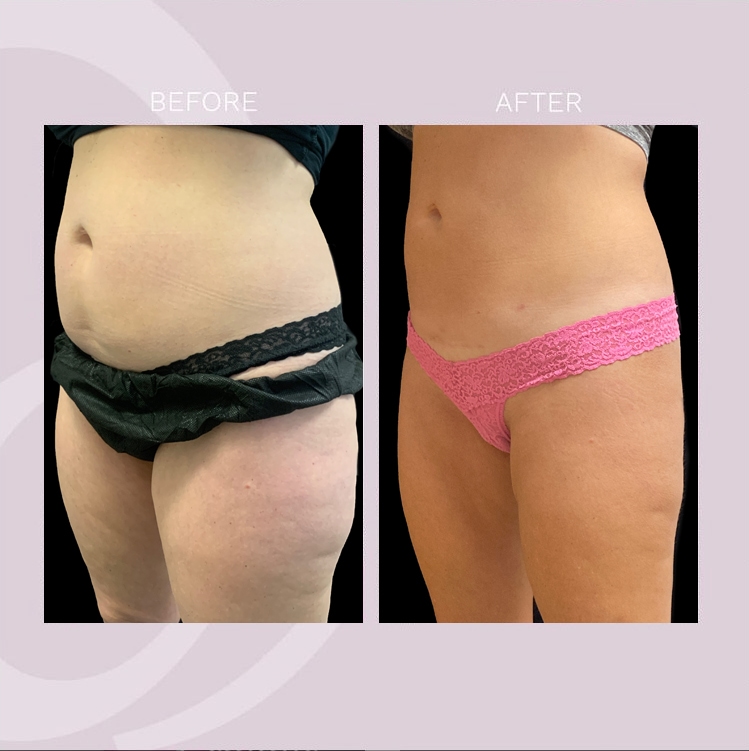
Most patients notice changes within a few weeks, with fuller laser lipo results developing over about three months.
At Dermacare, all laser lipo treatments are performed by Dr. Jeff Birchall, a board-certified physician with more than 25 years of medical experience.
Am I a Good Candidate for Laser Lipo?
Candidacy is one of the most important factors affecting laser lipo results. The best SmartLipo candidates are typically people who are within roughly 20 pounds of their goal weight but struggle with localized fat.
Signs You May Be a Good Candidate
Laser lipo may be a strong fit for people who:
- Are close to their weight goal and want to refine specific areas rather than lose a significant amount of weight.
- Have stubborn fat deposits that remain despite consistent diet, exercise, and healthy living.
- Have good skin elasticity, which can help support smoother contouring results.
- Want improved body shape and definition in targeted areas.
- Are interested in skin tightening benefits alongside fat reduction.
- Maintain realistic expectations about what body contouring treatments can achieve.
Areas Commonly Treated With SmartLipo
People often seek laser lipo treatment for:
- Abdomen and waistline areas, where stubborn fat can persist despite regular fitness routines.
- Love handles and flanks, which are among the most commonly treated body contouring areas.
- Thighs and arms, where smaller pockets of fat may affect overall proportions.
- Chin and neck regions, where unwanted fullness can impact facial definition.
Who May Not Be an Ideal Candidate?
Laser lipo is not be the best option for individuals who:
- Are seeking substantial weight loss.
- Are obese.
- Expect dramatic changes on the scale after treatment.
- Have unrealistic expectations regarding outcomes.
- May be better suited for another treatment approach based on their goals or anatomy.
Since laser liposuction is designed to improve shape and proportion, success is often measured through contour improvements, clothing fit, and body confidence rather than a strict “pounds lost” measurement.

Is Laser Lipo Safe? Understanding Expectations and Side Effects
Safety is an important consideration with any cosmetic procedure, so it’s good to understand both the benefits and limitations before deciding on a specific treatment.
Is Laser Lipo Safe?
Yes. When performed by a qualified and experienced medical provider, laser liposuction is safe and effective for qualified candidates. SmartLipo has been used since 2006 as a minimally invasive fat reduction procedure that offers faster recovery times and built-in skin tightening benefits compared to traditional liposuction.
Common Laser Lipo Side Effects
Side effects are usually temporary and improve as the body heals. People may experience:
- Swelling in the treated area for 3-7 days that slowly reduces over 1-6 weeks.
- Bruising that gradually fades over 1 to 3 weeks.
- Mild tenderness or soreness that gradually improves over 1 to 4 weeks.
- General discomfort when moving or bending the treatment area that typically lasts for 3 to 7 days. This is best managed by following post-procedure care instructions.
Serious complications are uncommon when proper treatment protocols and candidate selection guidelines are followed.
Setting Realistic Expectations
It’s very important to understand what laser lipo can and cannot accomplish. Though removed fat cells do not return after treatment, laser liposuction does not:
- Function as a weight loss solution.
- Replace healthy lifestyle habits.
- Treat obesity.
- Prevent future weight gain.
While meaningful improvements do occur, the best results are achieved when treatment goals align with the capabilities of the procedure, and healthy lifestyle practices continue after recovery.
Laser Lipo vs CoolSculpting vs Red Light Therapy
These treatments are often grouped together. They all aim to improve body contours but they work very differently from each other.
The most important distinction is that SmartLipo physically removes fat during treatment while CoolSculpting gradually reduces fat through controlled cooling. Red light therapy is generally used as a body contouring support treatment rather than a direct fat-removal procedure.
Understanding these differences helps explain why results, timelines, and session requirements vary significantly.
| Treatment | Removes Fat Cells? | Invasive? | Typical Results | Sessions Needed |
|---|---|---|---|---|
| SmartLipo Triplex | Yes | Minimally invasive | Noticeable contouring and fat reduction | Typically 1 treatment |
| CoolSculpting | Reduces fat cells through controlled cooling | Non-invasive | Moderate fat reduction | Typically 1–3 sessions per area |
| Red Light Therapy | No direct fat removal | Non-invasive | Subtle contouring support | Often 6–12+ sessions |
How Much Does Laser Lipo Cost?
Minimally invasive laser lipo costs vary based on the treatment plan a person wants. Several factors influence pricing, including:
- The size of the treatment area.
- The amount of fat being addressed.
- Whether multiple areas are treated during the same procedure.
- The complexity of the treatment plan.
- Geographic location and provider expertise.
Because every person’s body and goals are different, an individualized consultation is the most accurate way to determine exact cost. A personalized evaluation allows your provider to recommend the most appropriate treatment approach and provide a detailed estimate based on your specific needs.
Shape Your Next Chapter with Dermacare
Body contouring is not about changing who you are. It’s about helping your outward appearance better reflect how you already feel inside.
Considering laser lipo? Our body contouring specialists can help you explore your options. Call a Dermacare location near you to learn how a personalized SmartLipo Triplex body contouring plan can help bring your desired shape into focus.