Key Takeaways
- GLP-1 weight loss injections help reduce appetite, support fullness, and promote fat loss. Most people see subtle changes in the first 3-6 weeks, with bigger changes developing over 2–4 months.
- Building lean muscle via protein intake and strength training is important during and after GLP-1 treatment to maintain tone and for general health.
- Setting realistic expectations is key. Weight loss injections do create rapid fat loss but don't spot reduce fat, tighten loose skin, or contour specific parts of the body.
- Rapid fat loss may cause things like loose skin or “Ozempic face,” resulting in some people combining GLP-1 treatments with med spa services like skin tightening or facial rejuvenation.
- Weight loss medication candidacy is considered based on several factors: BMI, health conditions, appetite suppression needs, non-invasive weight loss solution preferences, and more.
Table of Contents
GLP-1 stands for glucagon-like peptide-1, a hormone your body already produces naturally in response to eating. When you eat a meal, GLP-1 signals to your brain that you’re full and tells your stomach to slow down how quickly it empties. GLP-1 medications like semaglutide and tirzepatide mimic this hormone artificially, keeping those fullness signals active longer than they would be otherwise.
The practical effect is that food becomes more satisfying in smaller amounts. Hunger quiets down between meals. Cravings, particularly for heavy or high-fat foods, lose some of their intensity. Over time, this shift in appetite leads to a meaningful reduction in calorie intake without the constant conscious effort that traditional dieting requires.
Clinical results reflect this. Research published in the New England Journal of Medicine found that semaglutide helped participants achieve an average weight reduction of nearly 15% over 68 weeks. To put that in concrete terms, a person weighing 200 pounds could expect to lose roughly 30 pounds over that period, a degree of change that produces visible results across the face, body, and silhouette.
How Quickly Do Weight Loss Injections Start Working?
Visible changes tend to happen gradually, with early shifts appearing subtly before more dramatic body contour changes develop.
Weeks 1–2: Appetite and Bloating Changes
The earliest changes in a GLP-1 treatment cycle are internal, not visual. Per the Cleveland Clinic, GLP-1 medications commonly help people feel fuller for longer and reduce appetite, causing people to eat noticeably less overall. Most people describe this phase as a quieting of food noise, smaller portions feel like enough, snacking urges fade, and meals require less effort to stop eating.
Because GLP-1 medications slow gastric emptying, many people also experience reduced bloating during these early weeks. Food moves through the digestive system more slowly, which can create a subtly flatter feeling through the midsection even before any real fat loss has occurred. For someone who typically carries visible bloating, that reduction alone can be a noticeable early shift.
Weeks 3–6: The First Changes in the Mirror
As fat loss continues, visible changes tend to first appear in the face and waist. The jawline may look slightly more defined. The cheeks can begin to look less round. Around the midsection, a waistband that used to feel tight starts to give a little, and a fitted shirt may stop pulling across the stomach.
Clothing is often the most reliable early indicator that something is changing. The scale and the mirror can feel ambiguous at this stage because the changes are subtle, but the physical feedback of slightly looser-fitting clothes is concrete and consistent. Most people describe this period as noticing a difference rather than a transformation, real enough to confirm the treatment is working, but not yet dramatic enough to be obvious to anyone else.
Months 2–4: Body Contour Changes Become Obvious
This stage is when aesthetic changes become more obvious. People frequently report:
- Jeans and fitted clothing fit better and more comfortably
- Improved body proportions and silhouette
- Greater confidence in photographs and fitted outfits
- More visible contour lines around the waist and torso
After the first few months, many patients transition into a maintenance phase that focuses on sustaining results, preserving muscle tone, and supporting skin quality as body changes stabilize over time. For some people, this stage is when skin firmness and contour refinement become part of their overall wellness plan.
Will I Lose Fat or Muscle with Weight Loss Injections?
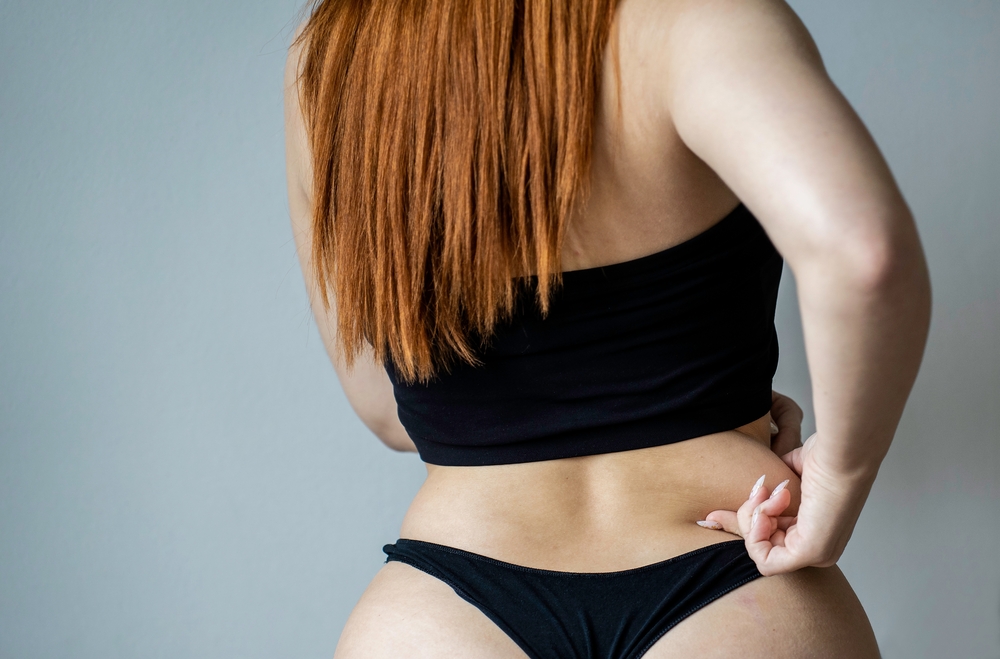
Most people lose a combination of body fat, water weight, and some lean muscle tissue while using weight loss injections.
Recently, concern over weight loss drugs causing muscle mass loss has yielded promising results. Per the Washington Post, emerging research on obese mice showed that “Muscle loss made up barely 25 percent of the total [loss]…” Also, a group of obese middle-aged men and women who lost weight with GLP-1s were found to have slightly less leg muscle sizes, but retained as much strength as before.
Regardless of those findings, protein intake and resistance training remain important throughout treatment. Maintaining muscle tone during fat loss helps prevent the hollow or flat look that can develop when volume disappears without underlying structure to support it. From a purely cosmetic standpoint, a patient who strength trains and eats adequate protein throughout their GLP-1 cycle tends to look more sculpted at the end than one who loses the same amount of weight through fat loss alone.

What Happens to My Skin After Losing Weight Quickly with Injections?
Skin changes are one of the most overlooked parts of rapid weight loss conversations, especially for people focused on long-term results.
Loose Skin and Skin Laxity
Skin has a degree of elasticity, but that elasticity has limits. When fat volume decreases quickly, the skin doesn’t always tighten at the same rate. The result can be mild looseness around the lower face or neck, reduced firmness through the abdomen or arms, and a crepey or thin-feeling texture in areas like the upper arms or knees.
How much laxity develops and how noticeable it becomes depends on age, genetics, skin quality prior to treatment, and how rapidly the fat loss occurs. Someone in their late twenties who loses 20 pounds over eight months will typically experience less visible skin laxity than someone in their fifties losing 40 pounds over the same period.
Understanding “Ozempic Face”
The phrase “Ozempic face” refers to facial volume loss that can happen after noticeable fat reduction. It is not caused by the weight loss medication itself, but by the physical reduction of facial fat volume over time.
Some people receiving GLP-1 medications might notice:
- Hollowing through the cheeks
- More visible folds or shadows
- A slightly tired appearance
Because of this, many people pair injectable weight loss treatments with skin tightening or facial rejuvenation services that support collagen and skin firmness. This can be a helpful secondary plan that complements weight loss and prevents extreme facial changes.
What Do GLP-1 Weight Loss Treatments Not Do?
Realistic expectations are important to discuss when it comes to body shape aesthetics and contouring outcomes during a weight loss journey. GLP-1 medications:
Do not result in spot fat reduction. The body decides where it loses fat based on its own priorities, not yours. GLP-1 medications cannot direct fat loss toward the abdomen and away from the face, or concentrate results in the thighs rather than the arms. Spot reduction of any kind requires a different approach entirely, such as body contouring treatments that address specific areas directly.
Do not create permanent metabolic changes. GLP-1 medications work by actively mimicking a hunger-regulating hormone while you're taking them. When the medication is discontinued, appetite typically returns, and weight can follow if the lifestyle habits built during treatment aren't maintained. Long-term results depend on whether the treatment period was used to build sustainable eating and movement patterns, not on any lasting metabolic shift the medication creates.
Do not permanently tighten loose skin. Significant fat loss reveals whatever skin quality and elasticity were already present. For some patients, rapid reduction in fat volume leads to visible laxity that the medication cannot address on its own. Skin tightening treatments like RF microneedling work through a separate mechanism, stimulating collagen production to improve firmness over time, and are best approached as a complement to weight loss rather than an automatic outcome of it.
Do not sculpt or contour specific body parts. Weight loss changes overall size and proportion. Refining specific areas — defining the waist, smoothing the flanks, improving contour in the arms or thighs — requires targeted body contouring treatments alongside or after the weight loss process. The two goals work well together, but they are not the same thing.
Understanding what injectable treatments can and cannot accomplish on their own are key in building realistic expectations and general weight loss plans.
Can I Combine Weight Loss Injections with Other Dermacare Treatments?
Many people who choose Dermcare for GLP-1 injections like semaglutide combine those treatments with aesthetic services that address skin firmness, muscle tone appearance, and refine facial or body balance throughout their transformation.
Common GLP-1 Treatment Pairings
- Skin tightening treatments like RF microneedling stimulate collagen production and support firmness as body fat decreases, which makes them particularly relevant for patients experiencing laxity around the abdomen, arms, or neck.
- Body contouring services like CoolSculpting help refine shape in areas with stubborn fat pockets that persist after systemic fat loss has slowed.
- Facial rejuvenation treatments like Sculptra and other dermal fillers address the volume loss and hollowing that can develop in the face during significant weight reduction.
Am I A Candidate for Weight Loss Injections?
Generally, injectable GLP-1 treatments are recommended for adults who have struggled to achieve or maintain weight loss through lifestyle changes alone. Many people are good candidates if they meet certain BMI thresholds or have weight-related health concerns.
You may also be a strong candidate if you:
- Want support managing appetite or cravings
- Are interested in gradual, visible fat loss
- Prefer a non-surgical approach to weight loss
- Want greater confidence in the way you look and feel
- Are committed to maintaining healthy long-term lifestyle habits alongside treatment
Dermacare: Designed for More Than Just Weight Loss
At Dermacare, weight loss can be approached as one journey, or as part of a more complete aesthetic transformation.
Contact the closest Southern California location near you if you’re searching for a customized treatment plant that can help you feel healthier, more balanced, and more comfortable in the way they look and feel.