
Cold air holds less moisture, and indoor heat pulls humidity out of your home (and your skin). The result is usually the same: tightness, flaking, dull tone, redness, and winter breakouts—especially if your routine is still built for summer.
Below are five practical ways to refresh winter-stressed skin. They start with smart exfoliation and calming inflammation, then finish with the one thing most people skip: protecting the skin barrier so results actually last.
Key Takeaways
- Winter skin issues are predictable. Cold air + indoor heat lower humidity and weaken your skin barrier, which leads to tightness, flaking, dullness, redness, and sometimes breakouts.
- Choose the right treatment based on your main symptom:
- Dullness + rough texture: Microdermabrasion helps lift surface buildup so skin looks brighter and makeup sits better.
- Uneven tone, sun spots, fine lines, congestion: Chemical peels offer more control and can target specific concerns.
- Redness + reactive “angry skin”: Laser Genesis can calm visible redness and support smoother-looking skin over time.
- Winter breakouts: Blue light therapy helps reduce inflammatory acne without relying on drying your skin out.
- Barrier care is what makes results last. Stick to gentle cleansing, consistent moisturizing, daily SPF, and a thicker night layer if you’re very dry.
1) Microdermabrasion (for dullness + rough texture)
In winter, dead skin can build up faster, which makes your face look a little “flat” and makeup sit strangely. Microdermabrasion is a gentle, non-invasive way to lift that outer layer so your skin looks brighter and feels smoother. Most people find it comfortable, and there’s usually little to no downtime.
Choose microdermabrasion if you’re dealing with:
Dull, “gray” skin that looks flat in photos
Rough texture or flaky patches that don’t improve with moisturizer
Mild congestion (skin feels bumpy, makeup doesn’t aborb)
What it’s like afterward: your skin often feels softer right away, and the glow tends to build with a series.
2) Chemical peels (for uneven tone, sun spots, fine lines, acne)
Like microdermabrasion, chemical peels are also exfoliating, but the big difference is the level of control. Your provider can choose a peel strength and formula based on what you’re trying to change—whether that’s uneven tone, stubborn congestion, early fine lines, or lingering sun spots that feel more obvious in winter.
Winter is a popular time for peels because you’re typically getting less sun exposure, which makes it easier to protect your results.
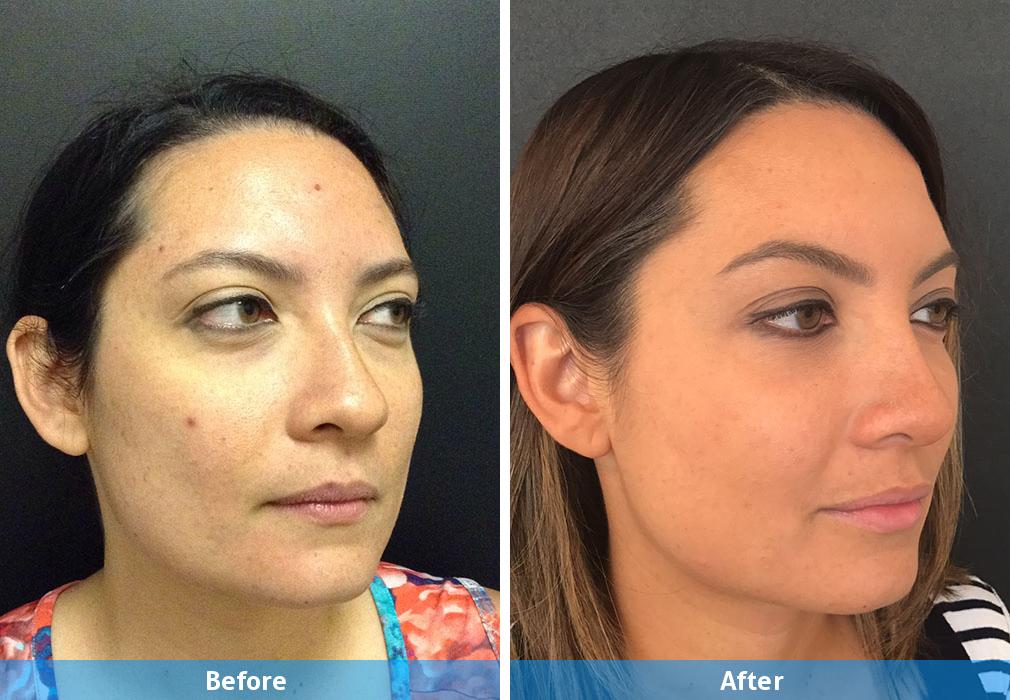
Choose a peel if you’re trying to improve:
Uneven tone / brown spots that stand out more in winter lighting
Acne + congestion (especially if breakouts worsen when you over-dry your face)
Early fine lines / rough texture that don’t respond to moisturizer
3) Laser Genesis (when winter triggers redness or your skin feels reactive)
If your skin gets red easily in the cold, or looks irritated no matter what you do, it’s because dryness isn’t always the whole story: winter can trigger inflammation (especially if you run warm, take hot showers, use strong products, or have underlying sensitivity).
Laser Genesis is a gentle option that supports calmer-looking skin. It can reduce visible redness and also help with things like enlarged pores and early fine lines over time.
How you’ll know it’s a good fit: if your main complaint is redness, flushing, or that “angry skin” look that shows up every winter.
4) Blue light therapy (for winter breakouts)
In winter, people often overcorrect. They use harsher acne products, which wreck the barrier, which creates more inflammation, which can worsen breakouts. Blue light therapy can help because it targets acne in a way that doesn’t rely on drying your face into submission.
Choose blue light therapy if:
You get inflammatory breakouts (red, swollen pimples that hurt)
Your usual acne routine suddenly feels too harsh
You’re stuck in the cycle of overdrying, then getting more breakouts
5) Medical-grade skincare (to keep results from fading)
This is the boring part that actually decides whether winter skin gets better: your barrier routine. If your barrier stays compromised, you can exfoliate and treat forever and still feel dry, tight, and reactive.
A simple winter routine that solves most seasonal issues
Morning
Gentle cleanse (or just rinse if you’re dry)
Moisturizer (don’t skip because of acne—pick the right texture)
SPF (yes, still)
Night
Gentle cleanse
Moisturizer
If you’re very dry: add a thicker layer at night to seal moisture in
Winter skin problems usually aren’t random—they’re a predictable mix of low humidity, indoor heat, and a stressed skin barrier. The good news is you don’t have to guess your way through it. Once you identify what’s actually driving your symptoms (dull buildup, uneven tone, redness, breakouts, or just persistent tightness), it’s much easier to choose the right next step.
For many people, the best results come from pairing a smart at-home routine with a targeted in-office treatment: microdermabrasion for rough, dull texture; chemical peels for tone, spots, and fine lines; Laser Genesis for redness and sensitivity; blue light therapy for winter breakouts; and medical-grade skincare to keep improvements from fading. If you’re not sure what your skin needs right now, a professional consult can help you avoid wasting time and money on products that make things worse—and get you back to hydrated, calm, healthy-looking skin before spring.